What Age Can Kids Wear Jewellery? A Safe Guide for Indian Parents
It’s one of the most common questions Indian parents ask — especially around occasions like naming ceremonies, first birthdays, or festivals when relatives arrive with jewellery gifts.
Is my child old enough for this? Is it safe ?
There’s no single universal answer, but there is a clear framework. This guide covers everything Indian parents need to know about age-appropriate jewellery — from newborns to teenagers.
The short answer: age guidelines at a glance
| Age | Safe jewellery types | What to avoid |
|---|---|---|
| 0–6 months | Nazariya, simple studs (naming ceremony only) | Hoops, dangles, loose beads |
| 6 months–2 years | Small studs with screw-backs, plain nazariya | Anything with detachable parts |
| 2–5 years | Studs, small hoops, simple bracelets | Long dangles, necklaces, rings |
| 5–10 years | Most earring styles, bracelets, anklets | Very long dangles, adult-sized pieces |
| 10–17 years | Full range appropriate | Adult fashion jewellery with uncertified metals |
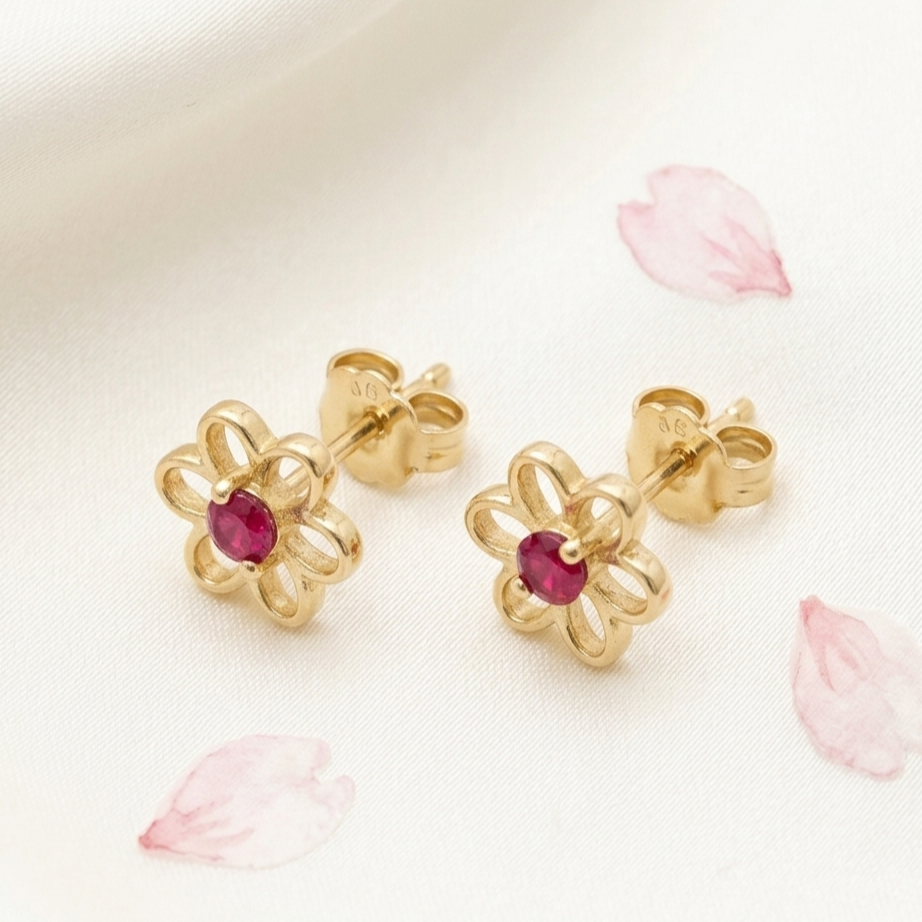
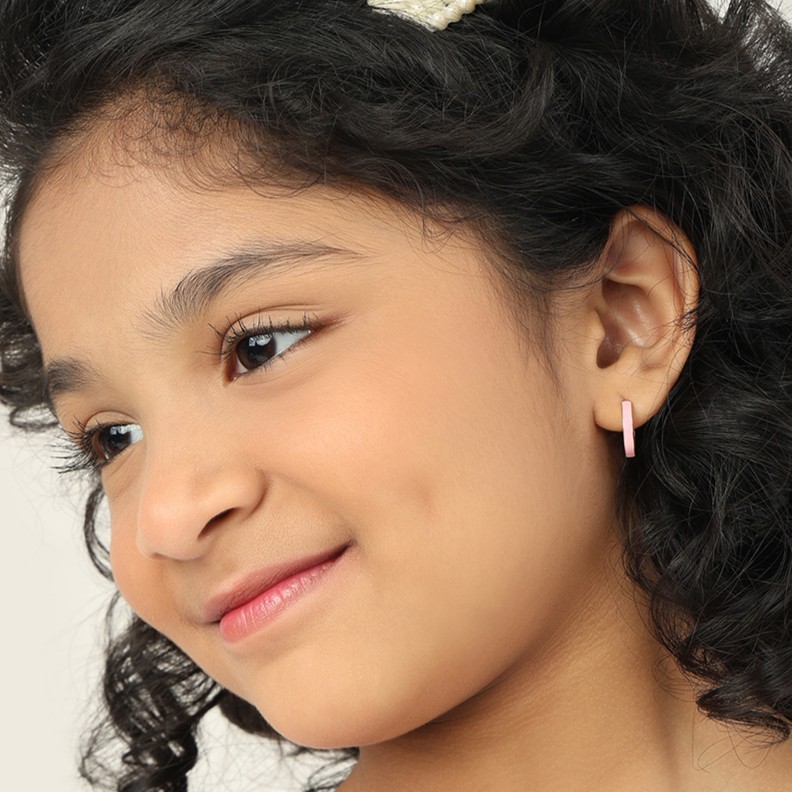
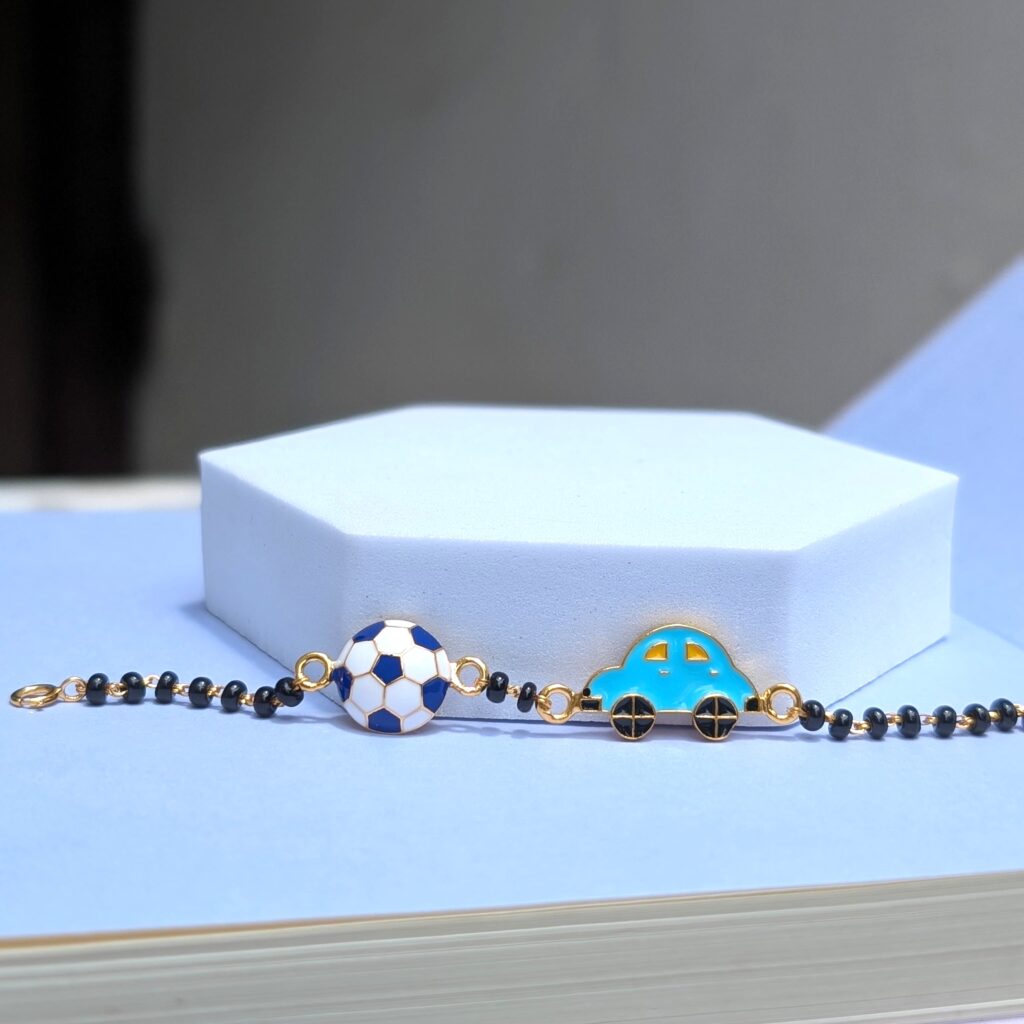
Newborns to 6 months: cultural tradition meets safety
In many Indian communities, babies receive their first jewellery at the naming ceremony (Namkaran) — often a small gold or silver nazariya or a pair of simple ear studs. This is a meaningful cultural tradition, and when done correctly, it is safe.
What makes it safe at this age:
- 925 sterling silver or BIS-hallmarked gold only — no fashion metal
- Screw-back earrings specifically — butterfly backs can come loose and become a choking hazard
- Lightweight pieces — heavy jewellery puts strain on soft infant cartilage
- No small beads, charms, or detachable elements — anything that can come off is a swallowing risk
Always supervised. At this age, jewellery should only be worn when an adult can observe the child directly.
6 months to 2 years: active babies need secure pieces
Once a baby starts moving, rolling, and grabbing, jewellery safety becomes more about physical security than just material choice.
Key considerations:
- Earrings: screw-back closures are essential. Standard butterfly backs can be pulled off by curious little fingers — or even during rough play with other children.
- Bracelets/nazariya: choose smooth, snag-free designs. Avoid open-link chains where tiny fingers can get caught or tugged.
- Material: 925 sterling silver or BIS-hallmarked gold only. Avoid plated or fashion jewellery, since it can wear down quickly with constant skin contact.
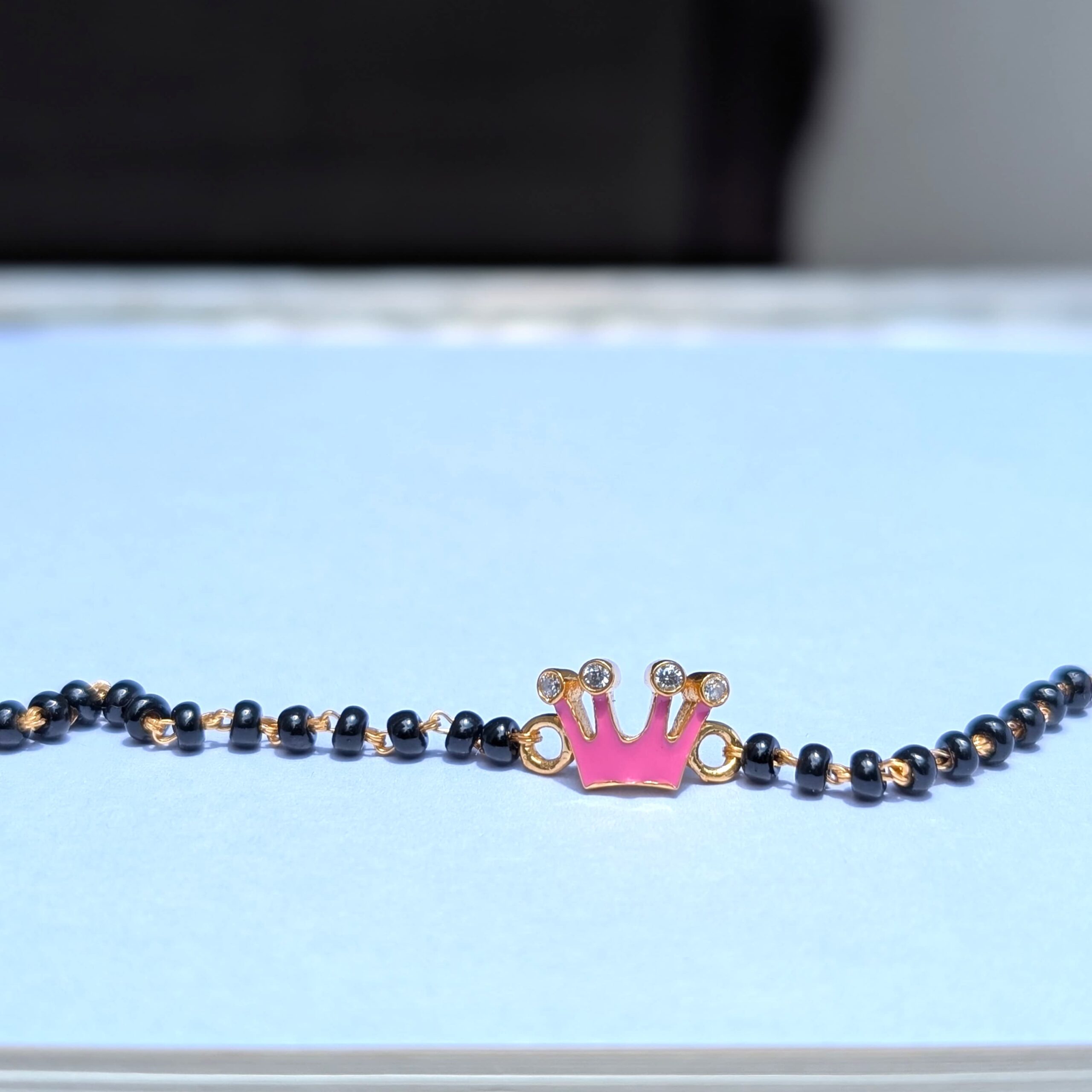
Many Indian parents also place nazariyas on babies from birth as a cultural protective symbol. A simple, smooth silver or gold nazariya without glass beads is generally considered both safe and appropriate.
2 to 5 years: she starts to have opinions
By age 2–3, most children are aware of their jewellery and may start requesting specific pieces. This is the age where design starts to matter alongside safety.
What works well:
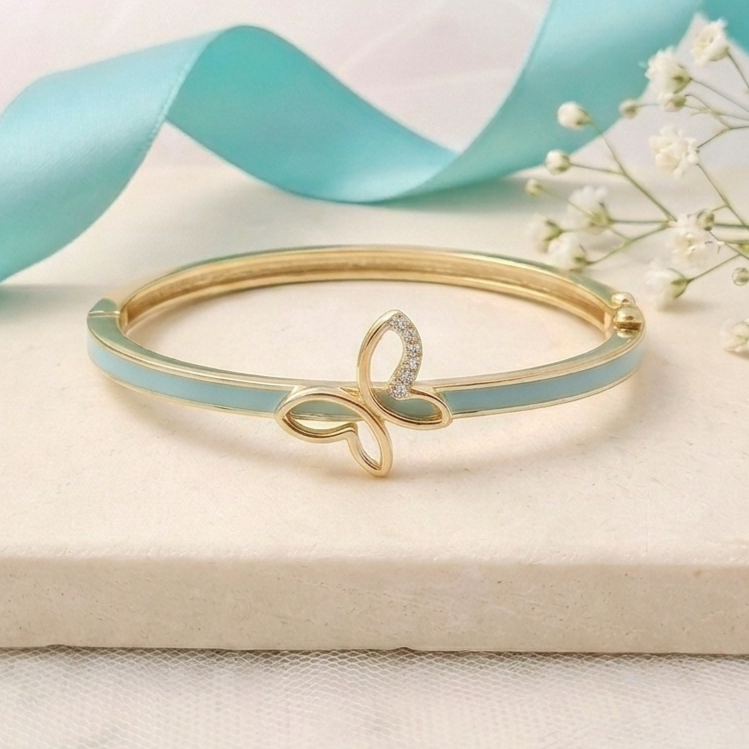
- Stud earrings with fun motifs — butterflies, stars, hearts, unicorns
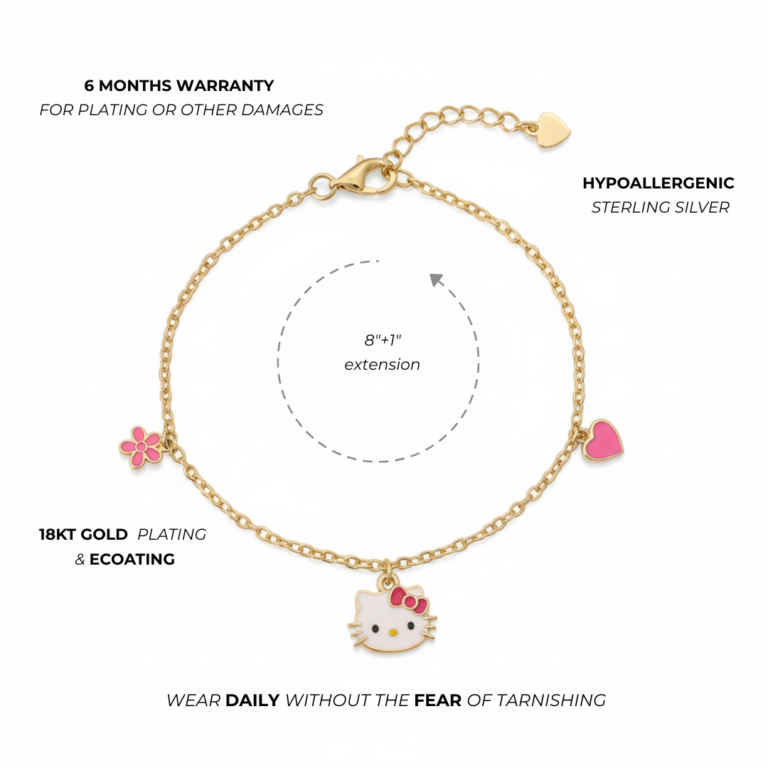
- Simple chain bracelets
- Small hoop earrings (only once she’s comfortable wearing jewellery and not pulling at her ears)
What to avoid:
- Long pendant earrings or chandelier styles — they can easily be pulled
- Necklaces — potential strangulation risk if they get caught on clothing or furniture
- Rings — finger sizes change quickly at this age, and rings can become tight or uncomfortable
Pierced vs. unpierced: Many Indian parents pierce baby girls’ ears within the first year. If ears are pierced, make sure both the post and the back are in 925 sterling silver or BIS-hallmarked gold — not just the visible front part of the earring.
5 to 10 years: the sweet spot for kids’ jewellery
5 to 10 years: the sweet spotThis is the age group ShimmerTots designs for most actively. Children in this range are old enough to be careful with their jewellery, aware enough to tell you if something feels uncomfortable, and expressive enough to have strong preferences.
What’s appropriate and popular:
- – Full range of earring styles including hoops and small dangles
- – Bracelets, anklets, and charm pieces
- – Jewellery sets
- – Customisable pieces with initials or birthstones
Material still matters : 925 sterling silver is ideal for this age. Avoid fashion jewellery, especially for pierced ears — this is when nickel allergies are most commonly triggered (often after a reaction to cheap earrings from a school fair or birthday party).
A practical tip for school : encourage your daughter to wear simple stud earrings on school days and save hoops and dangles for weekends and occasions. Most school uniforms rules require this anyway, and it reduces the risk of earrings catching on clothing. for kids’ jewellery
10 to 17 years: moving toward adult jewellery
Teenagers can wear virtually any jewellery style that an adult can — the concerns shift from physical safety to material safety and personal style.
Key considerations for teens:
- – 925 sterling silver and BIS-hallmarked gold remain the safest choices
- – Many teens develop nickel sensitivity for the first time in this age range — especially after getting additional piercings
- – If your teen wants fashion jewellery, look for pieces explicitly labelled nickel-free
- – This is the right age to introduce 14kt or 18kt gold as a meaningful milestone gift
Signs your child is reacting to jewellery
Even with safe materials, some children develop sensitivities. Watch for:
- – Redness or warmth around piercing sites
- – Itching or a rash at contact points
- – Small bumps around earring holes
- – Discomfort when wearing specific pieces
If you see any of these: remove the jewellery immediately, clean the area with saline, and switch to 925 silver or 18kt gold pieces. Persistent reactions warrant a visit to a dermatologist.
Frequently asked questions
The one rule that covers everything
Regardless of age: always look for the 925 hallmark or BIS certification. This single step eliminates the vast majority of risks — nickel reactions, toxic metal exposure, and undisclosed alloys. It applies whether you’re buying for a newborn or a teenager.
Everything else — style, length, design — is a matter of age appropriateness and personal preference.
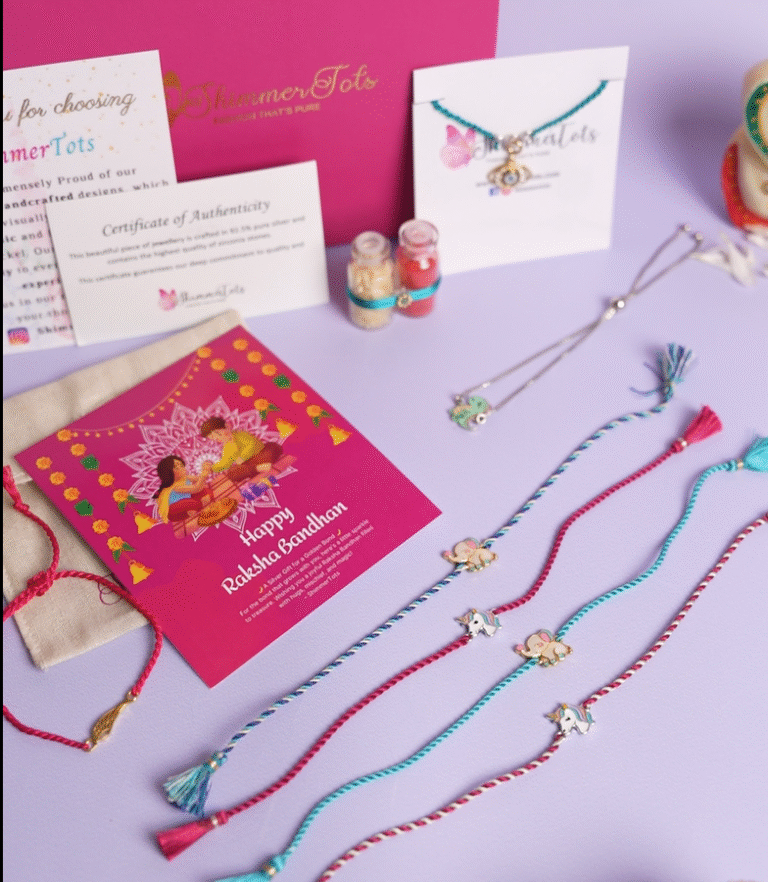
ShimmerTots makes BIS-hallmarked 925 sterling silver jewellery for babies, kids, and teens — hypoallergenic, nickel-free, and safe from birth. Every piece is gift-ready with a Certificate of Authenticity. https://shimmertots.com/shop-2/