Is Sterling Silver Safe for Kids? A Parent’s Guide to Hypoallergenic Jewellery in India
If you’ve ever bought a pretty pair of earrings for your daughter only to find her ears red and itchy the next morning, you’re not alone. Skin reactions to kids’ jewellery are one of the most common complaints Indian parents share — and the culprit is almost always the metal, not the design.
This guide answers the questions every Indian parent should ask before buying jewellery for their child.
What does sterling silver actually mean ?
Sterling silver is a metal alloy composed of 92.5% pure silver and 7.5% other metals — usually copper. This is why you’ll see it marked as 925 silver or 925 sterling silver . The “925” stamp is the purity hallmark.
Pure silver (99.9%) is too soft for jewellery — it bends and scratches easily. The 7.5% copper addition gives it durability while keeping it safe and beautiful. BIS-hallmarked 925 silver in India is certified by the Bureau of Indian Standards, meaning the purity is independently verified — equivalent to hallmarking for gold.
Is sterling silver hypoallergenic ?
Yes — 925 sterling silver is widely considered hypoallergenic and safe for children, including those with sensitive skin. Here’s why it matters for kids specifically:
What causes jewellery reactions in children :
- Nickel — the most common allergen in cheap jewellery. Found in most fashion jewellery, imitation gold, and low-grade metals. Causes redness, itching, and rashes, especially in freshly pierced ears.
- Lead — a toxic heavy metal used in some low-cost jewellery. Especially dangerous for young children who may put jewellery in their mouths.
- Cadmium — another toxic metal found in some imported fashion jewellery. Linked to serious health risks with prolonged exposure.
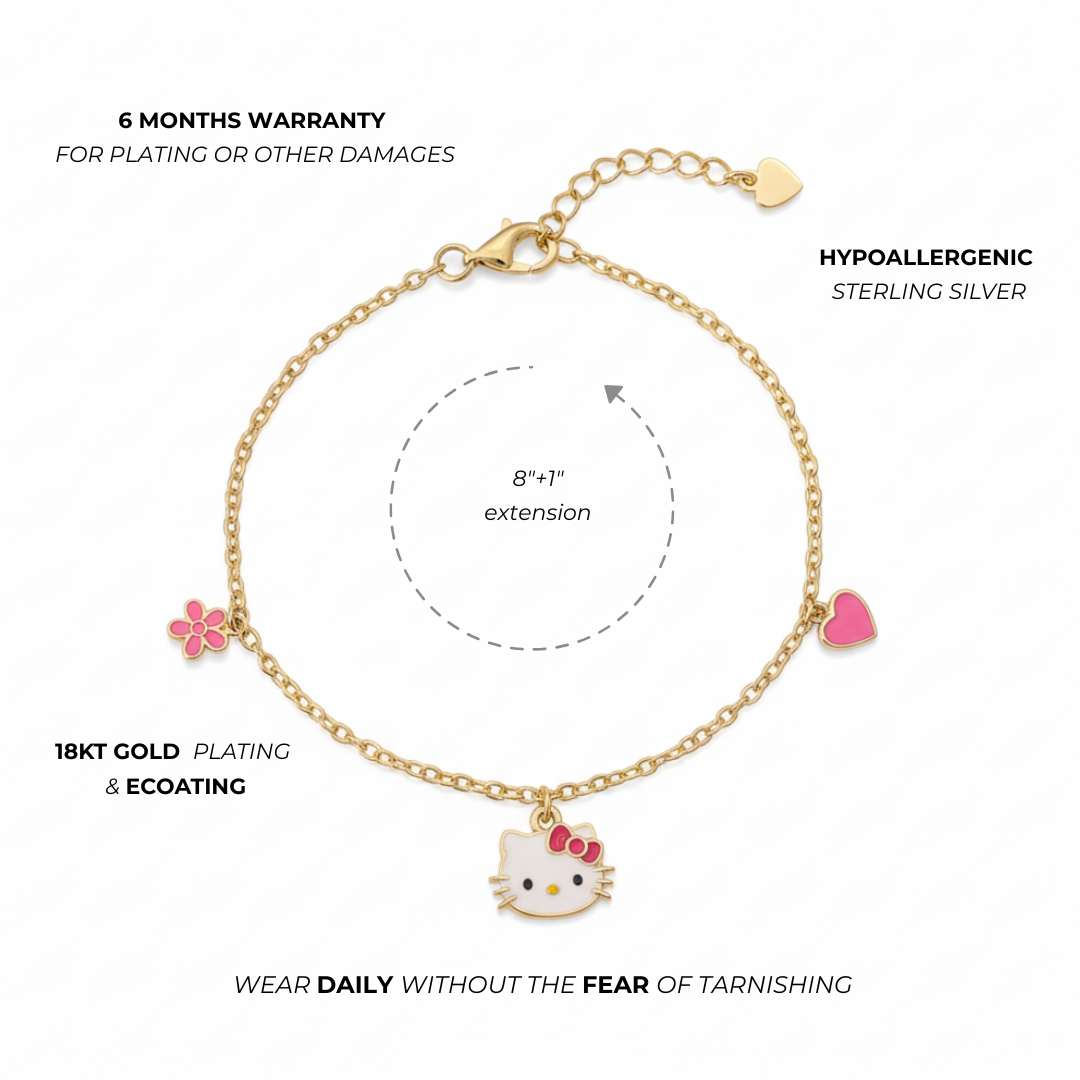
925 sterling silver contains none of these. When you buy BIS-hallmarked 925 silver jewellery from a certified brand, you’re getting a material that is free from nickel, lead, and cadmium — safe for even the most sensitive young skin.
What about gold-plated or “silver-coloured” jewellery?
This is where many parents get confused. Just because jewellery looks silver doesn’t mean it’s sterling silver.
- Silver-plated jewellery**: a base metal (often brass or copper, which may contain nickel) coated with a thin layer of silver. The plating wears off within weeks of regular use, exposing the base metal directly to skin.
- German silver / white metal**: contains no silver at all. It’s a nickel-copper-zinc alloy — and nickel is the primary allergen in jewellery reactions.
- Fashion/costume jewellery**: typically uses unregulated metal alloys. No purity standards, no certification.
If you’re buying jewellery for a child — especially for pierced ears — always look for the 925 hallmark and BIS certification.

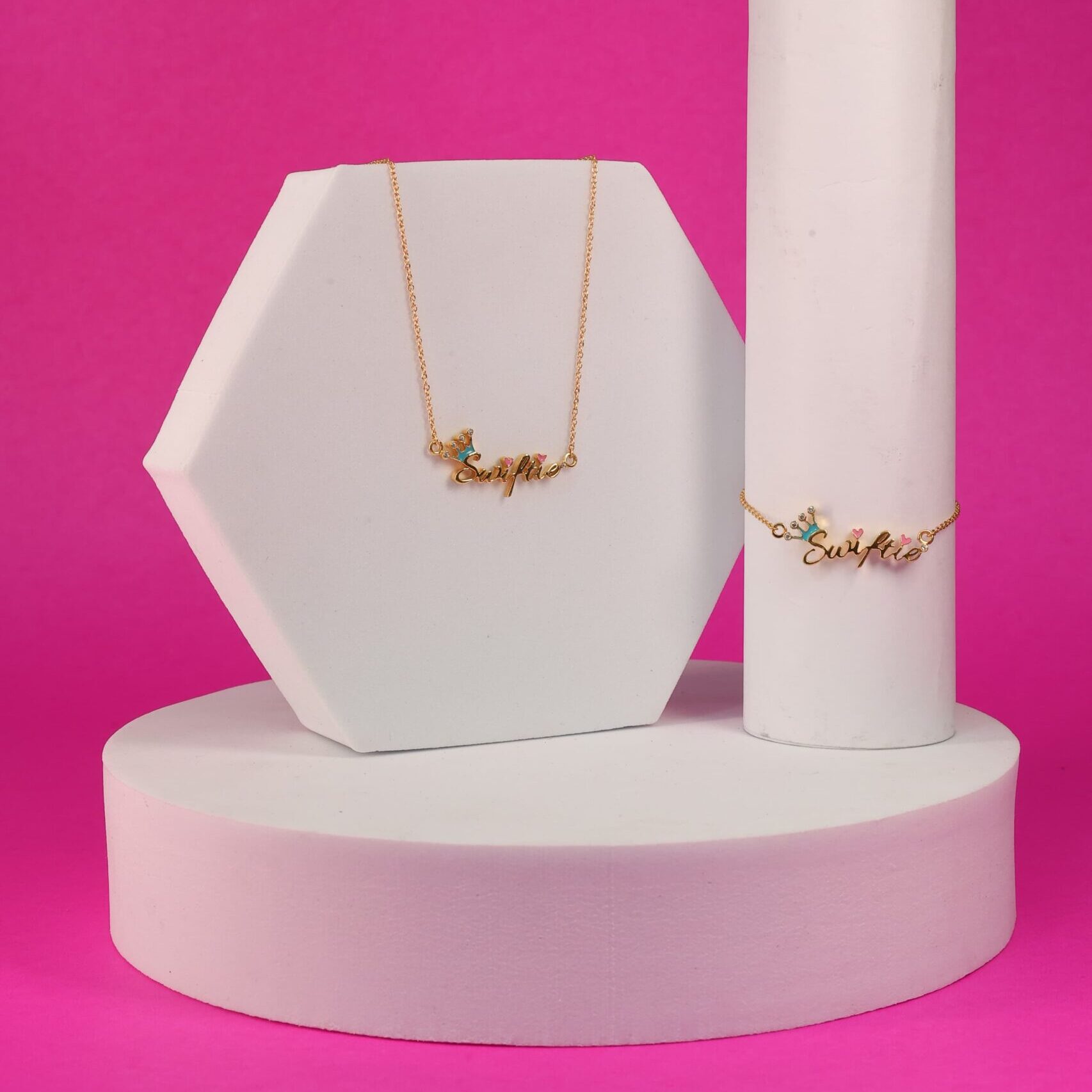

How to check if kids’ jewellery is genuinely safe — 5 things to verify
Look for the 925 stamp — on the earring post, clasp, or inner surface of a bracelet. Genuine sterling silver jewellery should always carry this mark.
Check for BIS hallmark — a BIS hallmark confirms that the silver meets India’s official purity standards and has been independently tested.
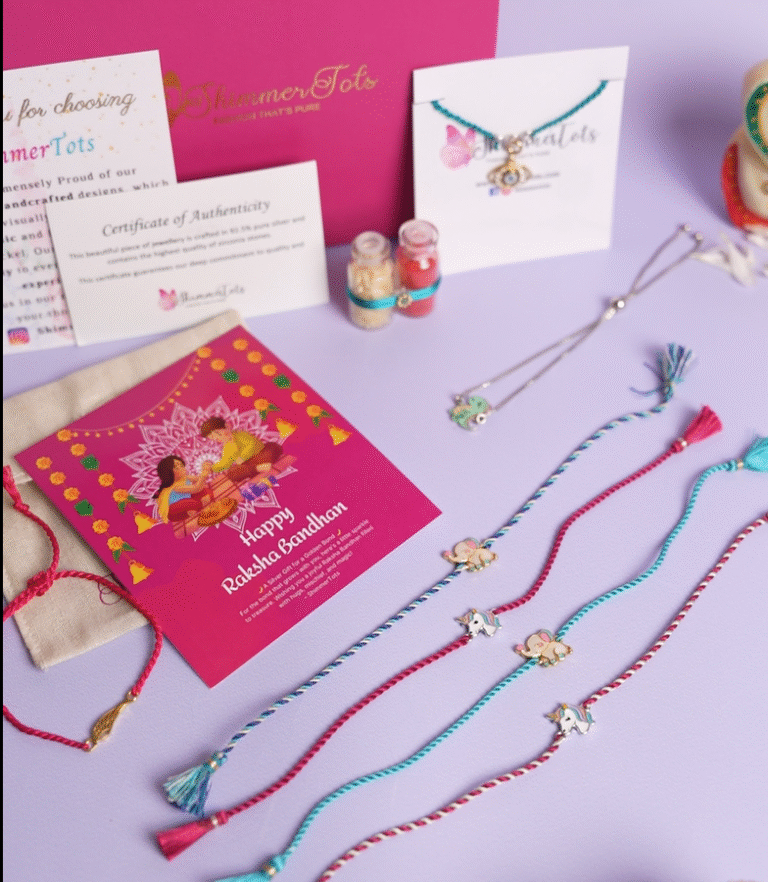
Ask for a Certificate of Authenticity — trusted jewellery brands usually provide a certificate verifying the metal purity and quality.
Check the closure type — screw-back earrings are generally safer and more secure for children than butterfly backs, which can loosen over time.
Buy from trusted brands only — avoid unknown sellers and unverified listings. Certifications, hallmarks, and transparent product information are far more reliable indicators of quality than price alone.
At what age can children safely wear silver jewellery?
There’s no universal rule, but these practical guidelines are commonly followed by Indian parents and paediatricians:
- Newborns to 6 months: Jewellery is usually worn only for cultural or family traditions, such as naming ceremonies. Choose lightweight pieces with smooth edges and no loose components.
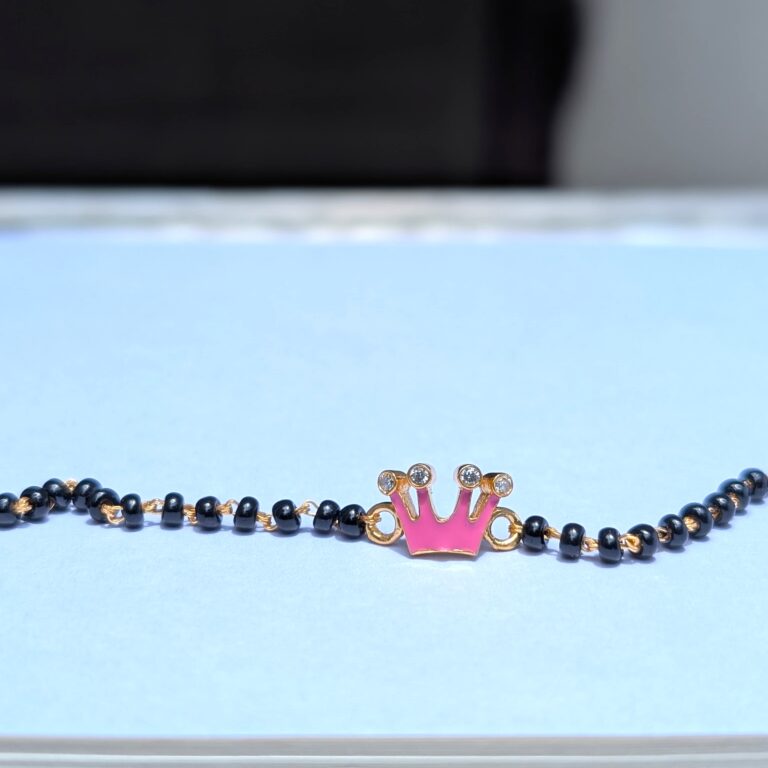
- 6 months to 3 years: Simple 925 silver studs or nazariyas are generally preferred. Adult supervision is important, and dangling designs or jewellery with small detachable parts should be avoided.
- 3 to 10 years: Most basic earring and bracelet styles are suitable. Screw-back earrings are often recommended because they stay securely in place.
- 10 years and above: A wider variety of jewellery styles becomes appropriate. Along with sterling silver, older children and teenagers may also wear 14kt or 18kt gold jewellery.
At every age, prioritise safe materials and secure designs before considering style or appearance.
Why most kids’ jewellery reactions happen — and how to prevent them
Even with 925 silver jewellery, some children may experience mild skin irritation. Here are some common reasons and ways to reduce the risk:
- New piercings are more sensitive — freshly pierced ears are still healing and can react more easily to jewellery. During the healing period (typically at least 6–8 weeks), choose high-quality 925 silver or surgical-grade jewellery and follow proper aftercare instructions.
- Base-metal posts on “silver” earrings — some earrings have a silver front but use lower-quality metal for the post. Since the post sits directly inside the piercing, always confirm that the entire earring, including the post, is made from a skin-friendly material.
- Build-up of soap, sweat, and product residue — dirt and residue can irritate sensitive skin. Clean jewellery regularly with a soft cloth and mild cleaning methods, and remove it before swimming when possible.
- Existing metal sensitivities — children who have previously reacted to jewellery, belt buckles, or watch straps may have a nickel sensitivity. If reactions are recurring, consult a dermatologist about patch testing before introducing new jewellery.
If you notice persistent redness, swelling, itching, pain, or discharge, stop using the jewellery and seek advice from a healthcare professional.
What ShimmerTots parents say ?
I’d tried three other brands before finding ShimmerTots. My daughter has very sensitive ears — within a day of most earrings she’d have redness. These are the first earrings she’s worn comfortably for weeks.”*
— Nisha, Gurgaon
*”The BIS hallmark and Certificate of Authenticity gave me real confidence. I knew exactly what I was buying for my baby.”*
— Shipra, Bengaluru
For Indian parents buying jewellery for children, BIS-hallmarked 925 sterling silver is the safest, most practical choice. It’s hypoallergenic, durable, certified, and widely available. Avoid fashion jewellery, silver-plated pieces, and unlabelled metals — especially for pierced ears and young children.
When in doubt, look for the 925 stamp, BIS certification, and a brand that provides a Certificate of Authenticity with every purchase.
ShimmerTots offers BIS-hallmarked 925 sterling silver jewellery for babies, kids, and teens — hypoallergenic, nickel-free, and cadmium-free. Every piece comes with a Certificate of Authenticity and gift-ready packaging. Shop the collection → https://shimmertots.com/shop-2/